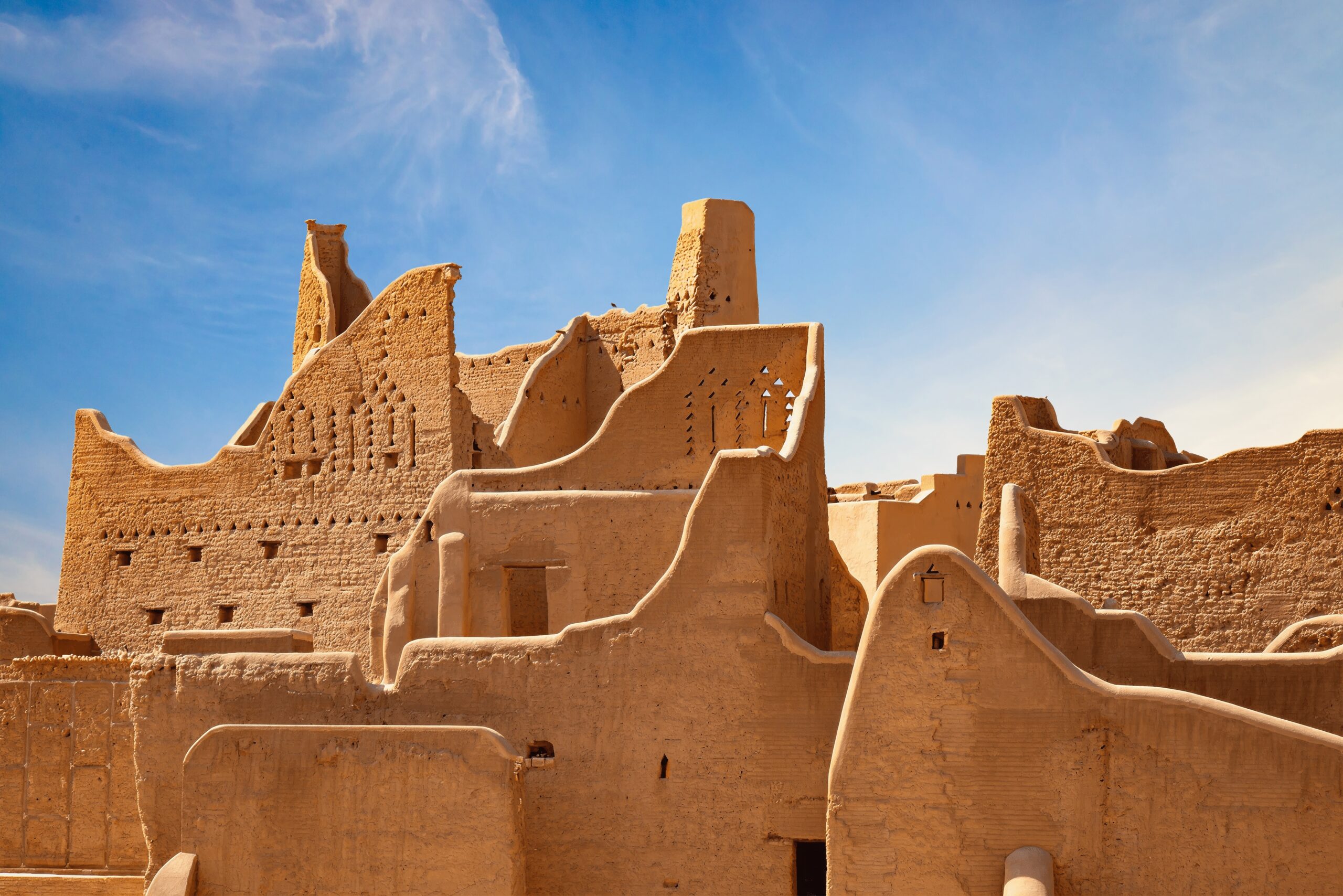
World Heritage Day presents a valuable opportunity to reflect on the legacy carried by nations—not merely as a past to be told, but as a living part of identity that continues to shape the details of everyday life. This day highlights the importance of preserving heritage, while also encouraging thoughtful ways of presenting it in forms that resonate with today’s audience.
In this evolving landscape, engagement with heritage is no longer limited to traditional documentation. It now relies on modern tools and approaches. Here, digital marketing and content creation take on a renewed role—bringing heritage closer to people, conveying experiences, and communicating ideas without compromising their depth. Content writing, in particular, plays a pivotal role in rearticulating heritage narratives in a way that is both clear and engaging.
At the same time, managing social media accounts has become an effective way to ensure the continuous presence of heritage. Consistent publishing is not only about sharing information, but about fostering meaningful engagement—especially when supported by well-defined and flexible marketing strategies tailored to the target audience.
Moreover, well-structured marketing strategies have become an integral part of cultural work, especially with the diversity of platforms and modes of interaction. Many organizations are now approaching this aspect with greater awareness, building a balanced presence that combines authenticity with contemporary expression. The evolution of digital marketing has further enabled cultural messages to reach wider audiences. Marketing is no longer a secondary activity; it is a supporting force that enhances the true value of content.
As for content creation, the shift is evident. It is no longer confined to traditional formats but has expanded to include diverse forms that combine storytelling, imagery, and visual experience. This diversity allows heritage to be presented in innovative ways without losing its identity.
On a more detailed level, the importance of structured account management becomes clear. Publishing is approached as part of an ongoing process rather than isolated steps. This continuity is what creates real impact—especially when content is built on a clear understanding of the message it seeks to convey.
Elements such as advertising and design also play an important role in highlighting visual identity—without excess. The goal is not embellishment, but authenticity: presenting what genuinely reflects the spirit of place and time. Through this integration, production and marketing naturally align in service of heritage.
In addition, cultural and educational institutions play a vital role in strengthening the presence of heritage through initiatives and programs that target diverse segments of society. These efforts help reinforce awareness of the importance of cultural heritage and connect it to contemporary life. Involving individuals in creating heritage-related content adds depth to the experience, transforming audiences from passive viewers into active contributors to the preservation and continuity of this legacy.
In conclusion, World Heritage Day serves as a reminder that true value lies not only in preserving the past, but in presenting it in ways that keep it alive. Between simplicity and depth, a distinct experience emerges—one that brings heritage closer, making it more relatable, accessible, and meaningful.